Emergency response in Spain
Spain is generally a very safe country to study abroad in but if emergency services are needed, there are plenty of resources that will come into play.
From the Protección Civil through to the Cruz Roja and UME (Military Emergency Unit), Spain employs myriad responses in the unlikely event of a natural disaster or accident. And in the case of a big incident, rest assured that APUNE will contact programs to verify student safety and to offer support as needed. Communications with US Consular Services are maintained when major incidents occur.
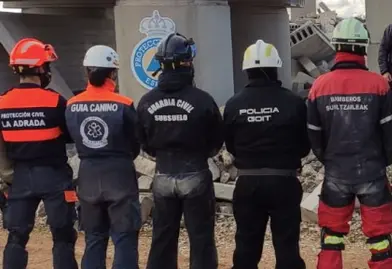
Civil Protection
(Protección Civil; similar to FEMA)
Forecasting and Prevention: Identification of risks, assessment of threats, and adoption of measures to prevent or reduce damage.
Planning: Development of emergency plans and protocols that define the response and mobilization of resources.
Intervention: Direct action in the emergency to rescue the population and coordinate resources.
Rehabilitation: Damage assessment and support in recovery after the disaster.
Coordination: Integration of the different bodies (firefighters, security forces, volunteers) and public administrations. More info...

Spanish Red Cross (Cruz Roja Española)
Psychological support and family assistance; 24/7 accompaniment for affected individuals and families. More info...
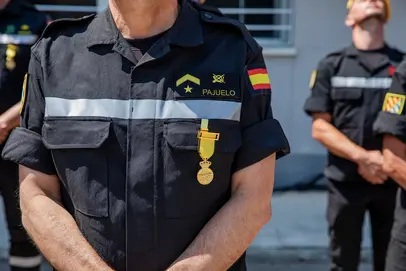
Military Emergency Unit (UME)
What is it? A first response unit of the Spanish Armed Forces (Army, Navy, and Air Force).
Mission: To intervene in situations of serious risk, catastrophe, disaster, or other public emergencies to ensure the safety and well-being of citizens.
Types of emergencies: Natural hazards (fires, floods, snowstorms), technological hazards (nuclear, biological, chemical), terrorist attacks, environmental pollution and large-scale rescue operations. More info...
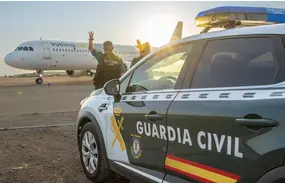
Law enforcement
Guardia Civil (interurban and rural areas),Policía Nacional (urban areas, security perimeters), Policía Local (municipal support). More info...
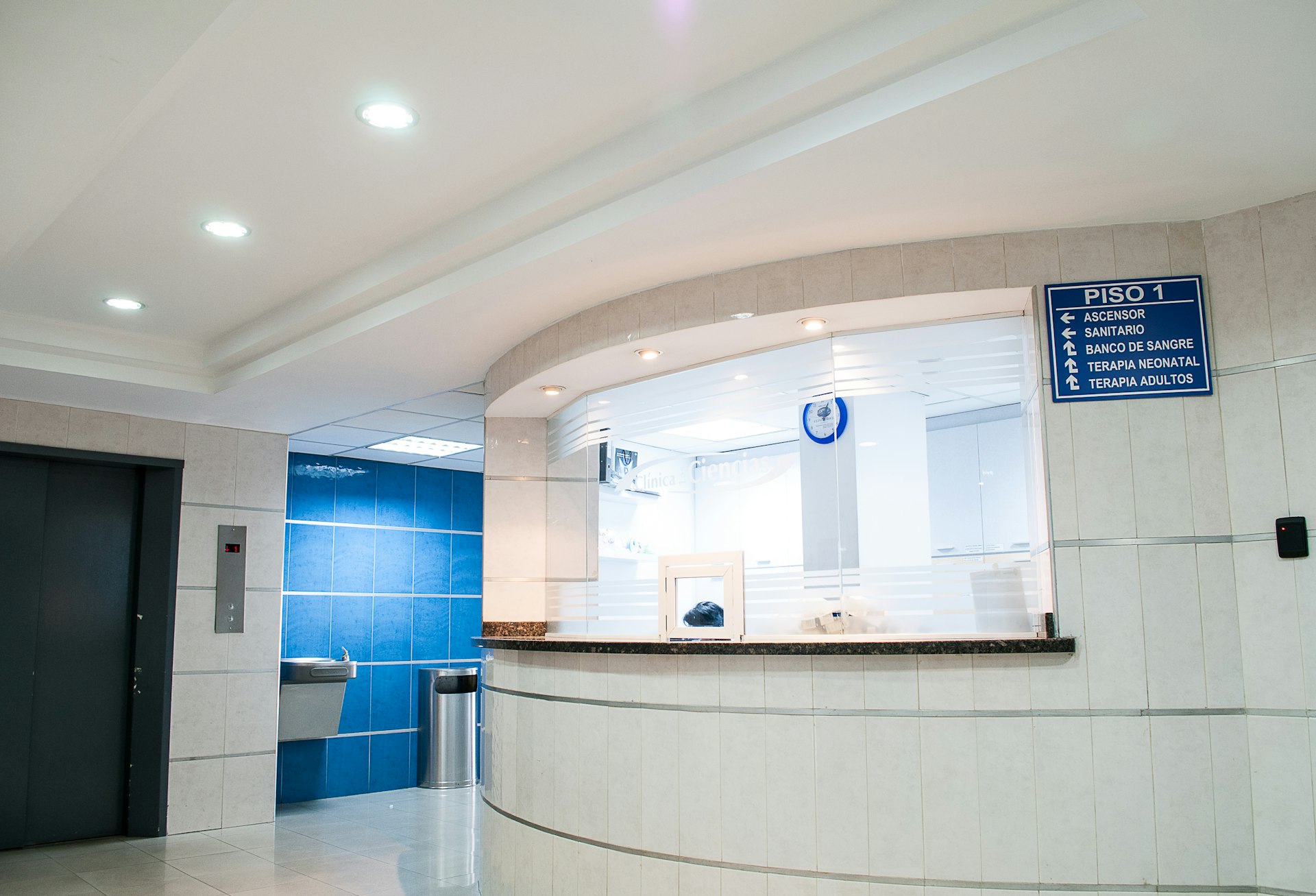
Health services
Coordinated public and private hospitals and emergency medical services; surge staffing, blood donation mobilization, and inter-hospital transfers as needed.

Fire brigades (Bomberos)
First responders in almost every event. Highly trained, access to equipment, technical rescue, extrication, heavy-lifting operations.

City and town governments
Mayors and officials move immediately to coordinate volunteers to provide everything needed to those involved when accidents or natural catastrophes happen. They also immediately set up facilities to provide shelter, food, blankets, water and first aid as needed. Townspeople open their homes and offer help to anyone who needs it.

Civic centers (centros cívicos)
In Spain, civic centers, along with other municipal facilities like sports centers and schools, play a critical role as local, immediate-response infrastructure during natural disasters. They function under the decentralized Spanish civil protection system, which relies on local and regional authorities to provide immediate aid to affected populations. They may offer Emergency Shelter, Aid Distribution Hubs, Logistical Support for Volunteers and Responders (hosting local police, emergency services, and community volunteers coordinating cleanup efforts), and Information Points.

Community Response
In every type of emergency in Spain one can see selflessness, heroics, and willingness to help on the part of the Spanish population. The empathy, care, and kindness is overwhelming. Spanish businesses set aside profits offering goods and services; supermarkets, hotels, transportation, etc. donate whatever they have to those in need.

Rail operators and infrastructure
ADIF (infrastructure manager): site management, repairs, coordination with authorities, and service recovery.
Renfe and other operators: onboard emergency protocols, passenger communication, service adjustments.

Other means of Transportation
Spain has a highly developed and efficient, multi-modal transport network featuring extensive bus networks, and comprehensive city metro/tram systems, making travel between regions and within cities convenient and affordable. Key options include RENFE trains, ALSA buses, metro systems in major cities, taxis, and ride-sharing apps like Uber and Cabify.
There are also 59 airports with domestic and international flights available.
APUNE and the US CONSULAR SERVICES
APUNE contacts programs to verify student safety and to offer support as needed. Communications with US Consular Services are maintained when major incidents occur.
U.S. consular services are coordinated through the U.S. Embassy in Madrid and the Consulate General in Barcelona, with consular agencies in Seville and Málaga, Valencia, Mallorca and Palmas, offering supporting assistance to U.S. citizens.
Recommended actions include:
- Confirming student and staff accountability through established communication protocols.
- Sharing emergency numbers and consular contacts and reminding students to carry identification and insurance information.
- Being prepared to offer student support resources in response to travel disruptions or related concerns, if needed.
- Enrolling in STEP: The Smart Traveler Enrollment Program (STEP) is a free service from the U.S. Department of State that allows citizens traveling or living abroad to enroll their trips with the nearest U.S. embassy or consulate. It provides critical safety updates, travel advisories, and facilitates emergency assistance during natural disasters or civil unrest.
- US Embassy in Spain has a Whatsapp communication group channel.
Key contacts
Emergency number in Spain: 112
U.S. Embassy Madrid and Consulate General Barcelona: https://es.usembassy.gov, American Citizen Services Information: +34-91-123-8866